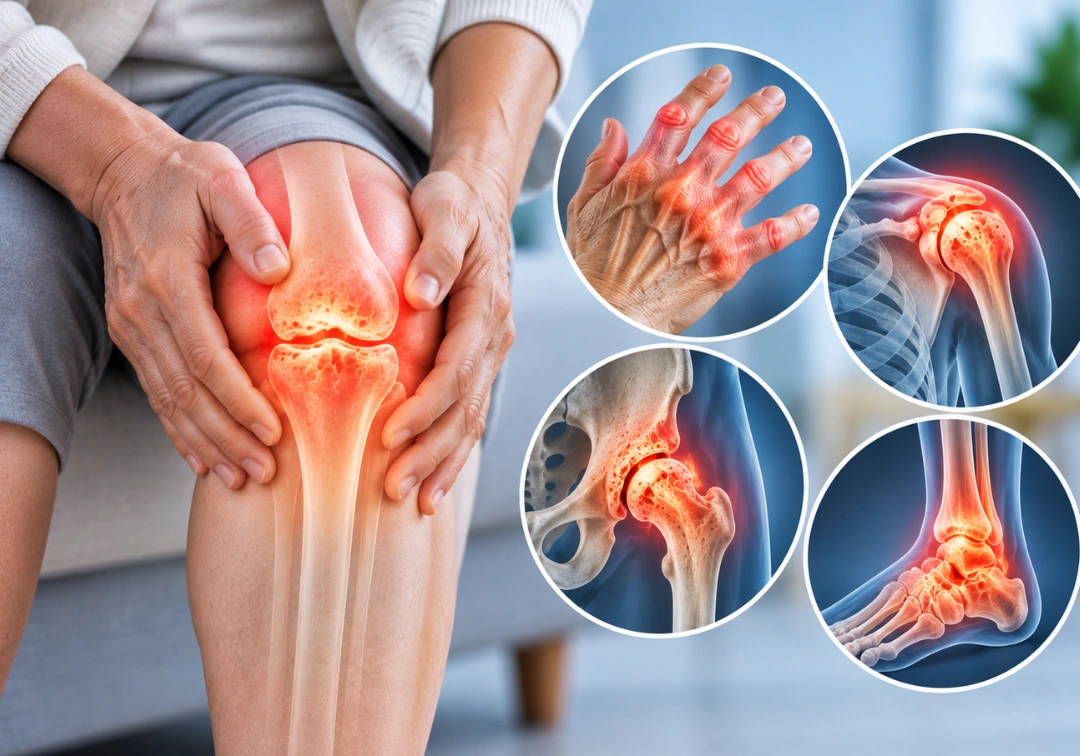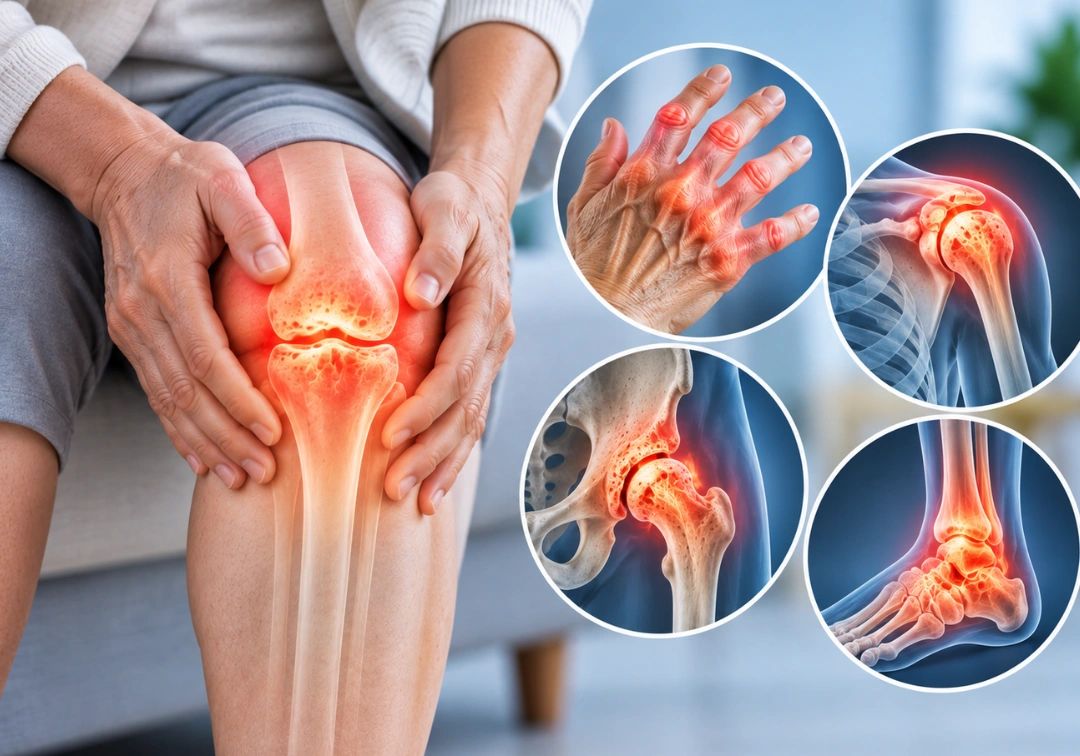
OA is not an autoimmune disorder, in which the immune system attacks the joint. It's a slower, mechanical process, that's why it's likely to manifest gradually and is unlikely to suddenly burst into flames. It can be a clicking knee after sitting for too long, a little bit of knee laxity when going up stairs, nothing worrisome at first, until enough cartilage loss occurs and it starts to be an everyday problem.
Fortunately, if you're seeking for osteoarthritis treatment in Pune, there is treatment that will go beyond pain relief and focus on nourishing the joint and slowing the wear itself. The treatment for osteoarthritis in Ayurvedic medicine is designed to do just that and not just to help you function in your daily life on painkillers.
Symptoms of Osteoarthritis
The symptoms of OA tend to progress over time, and don't occur suddenly:
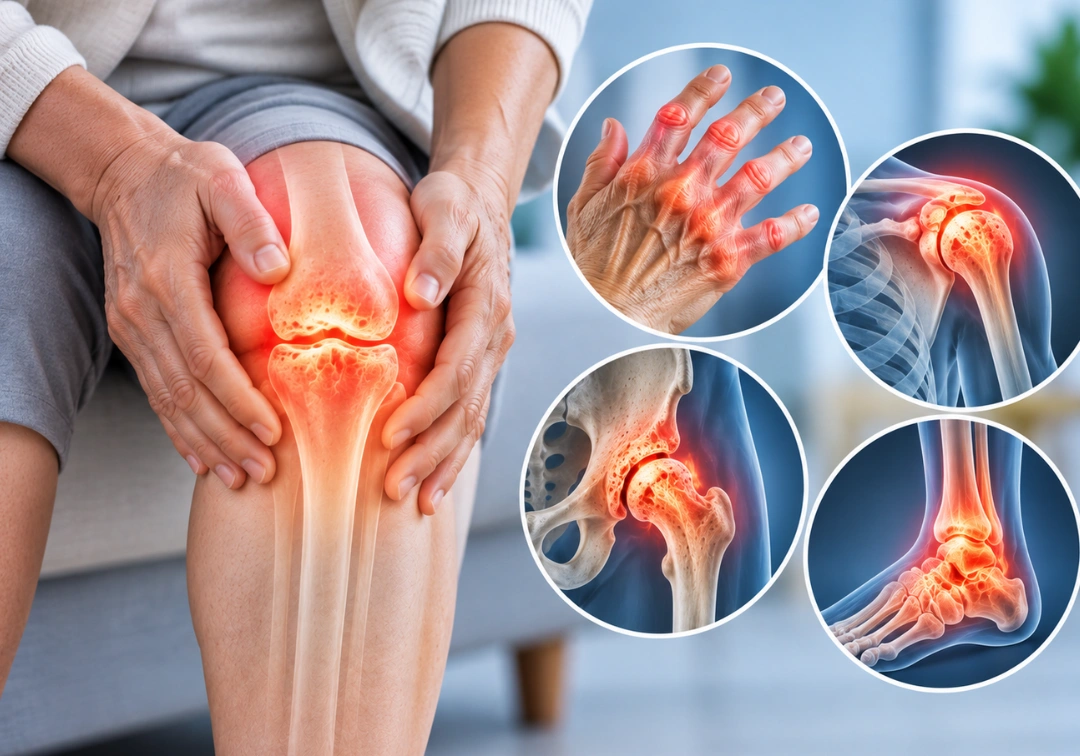
- Joint pain that gets worse with activity and some relief with resting, at least in the initial period
- Rigidity, particularly in the morning or after sitting for a brief period of time
- Grinding, clicking or popping when moving the joint.
- Swelling around the joint, from mild fluid build-up
- Limited ability to bend and flex the affected joint completely
- Small, hard lumps that may develop around the joint over time (known as bone spurs),
- Persistent pain that eventually persists at rest, in more advanced stages.
- From decreased movement over time, muscles weaken around the joint.
The most common areas are the knees, hips and the lower back, although it is not uncommon for hands to develop OA, particularly with age.
Common Causes and Risk factors
There are a number of factors that are clearly accelerating the breakdown of joint cartilage in osteoarthritis. According to Ayurveda, OA is very similar to Sandhivata, which involves Sandhi getting progressively drier and less nourished due to aggravated Vata dosha. Common causes and risk factors are:
- As people age cartilage naturally breaks down over time, making OA more common after age 45-50.
- Extra body weight puts direct, continuous pressure on weight-bearing joints such as the knees and hips, contributing to obesity.
- An old sprain, fracture or tear of the ligaments may lead to the joint wearing out more quickly if there has been a joint injury before.
- Repeated strains of joints from specific jobs or prolonged activities of the same joint
- Some people are just more prone to the breakdown of cartilage.
- Weakness of the muscles around the joint which affect the support and aggravate the mechanical stress on the joint itself
Lifestyle habits that aggravate vata: irregular routine, excessive exposure to cold and dry and poor diet, all directly associated to the aggravation of Sandhivata in Ayurveda.
Prevention of Osteoarthritis
While you cannot stop your joints from aging naturally, you can have a definite say in how much OA you are affected by and how quickly it progresses.
- Keep a healthy body weight, as it significantly reduces the knee and hip load even if it is by just a few pounds.
- Keep joints lubricated without putting undue pressure on them with joint-friendly exercise, walking, swimming, and cycling
- Tighten the muscles around the joints, stronger muscles take more of the load off of the joint.
- Avoid cold and damp conditions, which are irritants for joints affected by Vata.
- Do not overuse a single joint, change positions and movements throughout the day as much as possible.
- Do not dismiss early stiffness or clicking, as early attention to the problem will make treatment of osteoarthritis in Pune more effective than late.
Practice good footwear and posture, little by little over time makes a big difference!
About Dr. Rajeev Keloth Nambiar
Most patients who come to us for osteoarthritis treatment in Pune have been suffering from knee or hip pain for a few months and in a year or so, the pain has been worsening with over the counter painkillers. Dr. Rajeev Keloth Nambiar (BAMS, MD) at Dr. Nambiar's Advanced Ayurveda looks at osteoarthritis as a depletion of lubrication and nourishment of the joint, caused by Vata, and not as a condition to be treated in a non-stop manner with pain management.
An ayurvedic treatment for osteoarthritis in Pune involves a variety of herbal medications that support the health of joint tissues and alleviate inflammation, as well as therapies designed to enhance lubrication and restore flexibility to the damaged joint. This is complemented by diet and lifestyle correction; particularly correction of habits that aggravate Vata.
Dr. Nambiar has treated many patients for whom joint and back pain and arthritis had become a significant problem, and he has helped these individuals become more mobile and less reliant on pain medications in the long-term with careful and consistent treatment.
Frequently Asked Questions (FAQ's):
While cartilage loss cannot be completely reversed, the treatment can significantly alleviate pain, stiffness and joint function so that life is almost restored to normal.
Osteoarthritis is caused by mechanical damage to the cartilage of the joint, typically due to aging, and rheumatoid arthritis is an autoimmune disorder in which the immune system attacks the lining of the joint.
The knees, hips, and spine are the most commonly affected, since they bear the most weight, though the hands are frequently affected too.
Yes. Many patients experience significant and lasting improvement in their mobility and comfort by targeting the nourishment of the joint and correction of the underlying Vata imbalance, not just the pain.
Significantly. The extra weight is a constant burden on weight-bearing joints, while a small amount of weight loss can make a significant difference in knee and hip pain.
It's most common after 45 to 50, though previous joint injuries or repetitive strain can bring on symptoms earlier in some people.
Osteoarthritis Treatment Images: