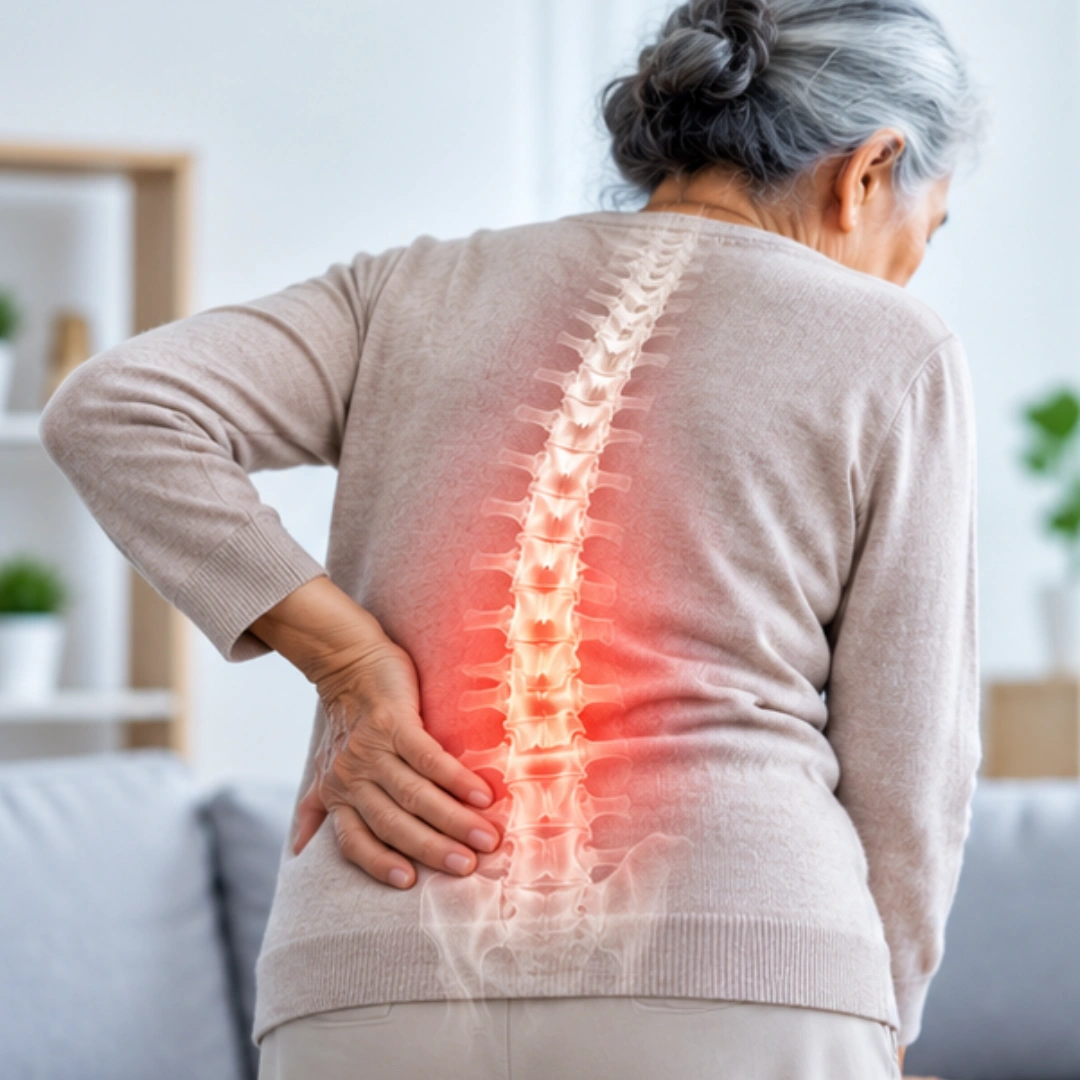
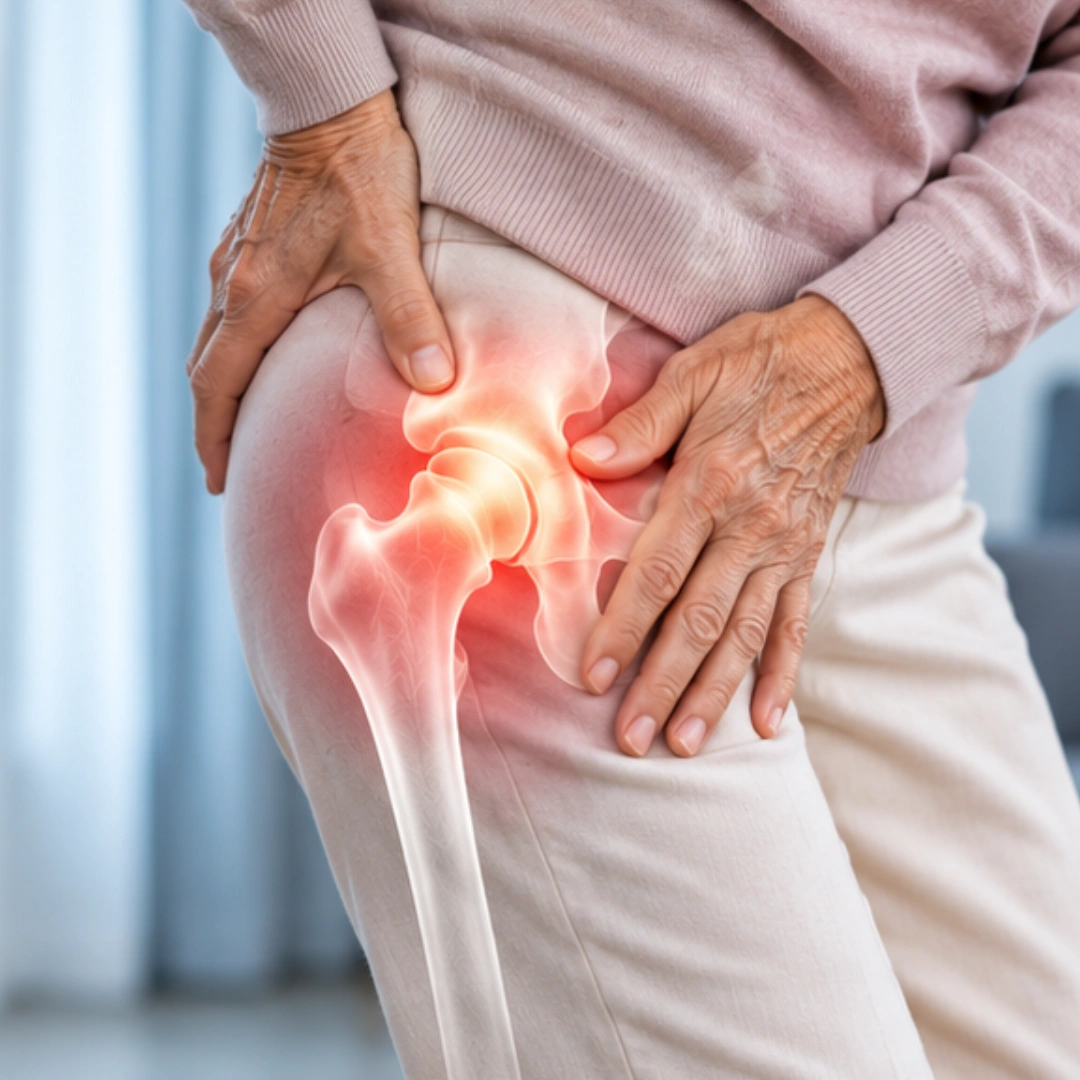
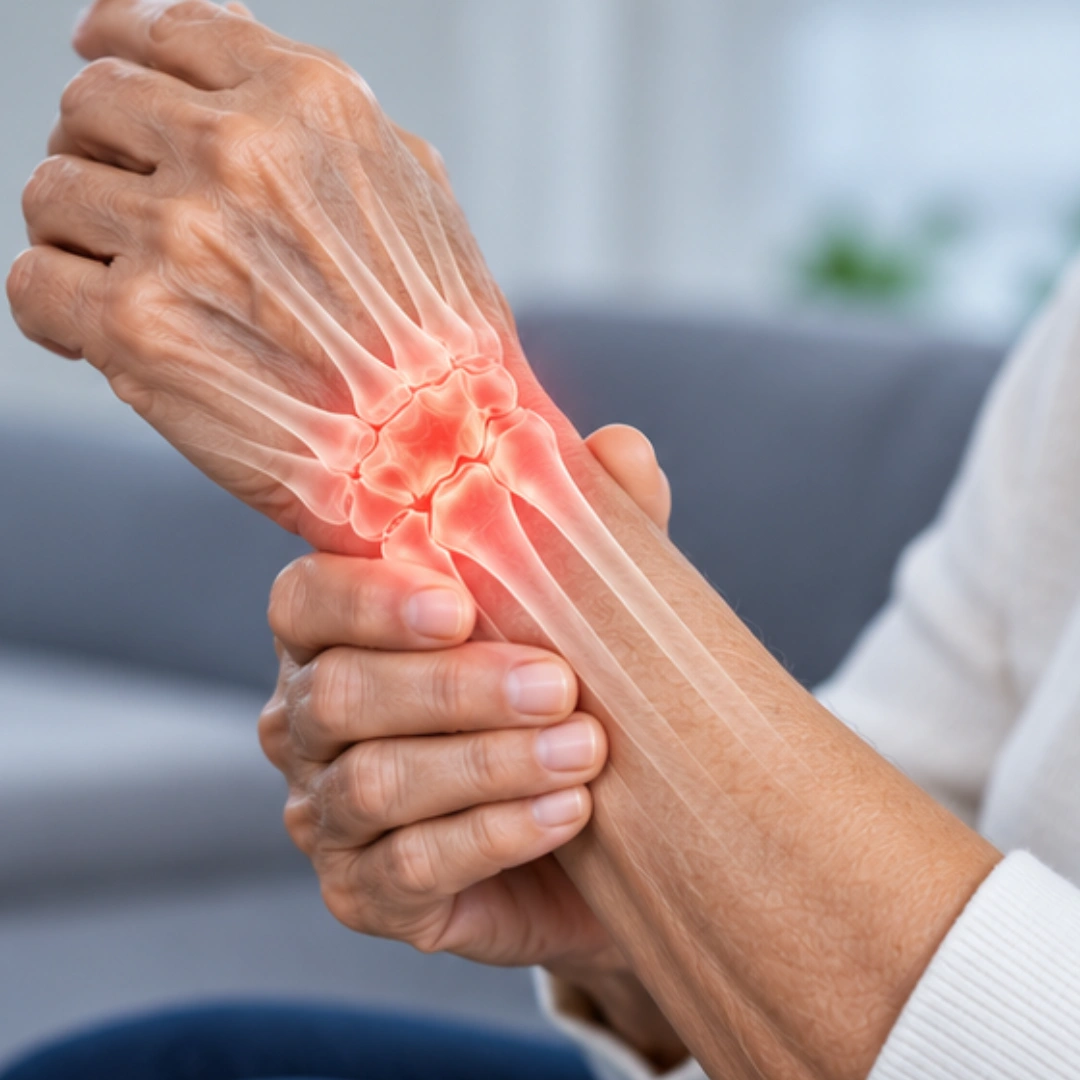
Osteoporosis is a condition in which your bones gradually become weak and brittle. Sometimes referred to as a "silent disease," it seldom has any symptoms. Many people will not be aware of it until a fall or bump results in a fracture.
Usually, it is the hip, spine, and wrist that are affected the most, and it slowly undermines your independence over time, so walking and bending and even sneezing can become a little hazardous. It can happen to anyone but is more common in women, particularly after menopause.
If you're exploring osteoporosis treatment in Pune, the first step is simply understanding your bones better, what is harming them, and what you can do about it. This is a condition where it truly does matter what you do early on.
Symptoms of Osteoporosis
Most people don't realize that they have osteoporosis in the early stages because it doesn't cause pain. Be alert for:
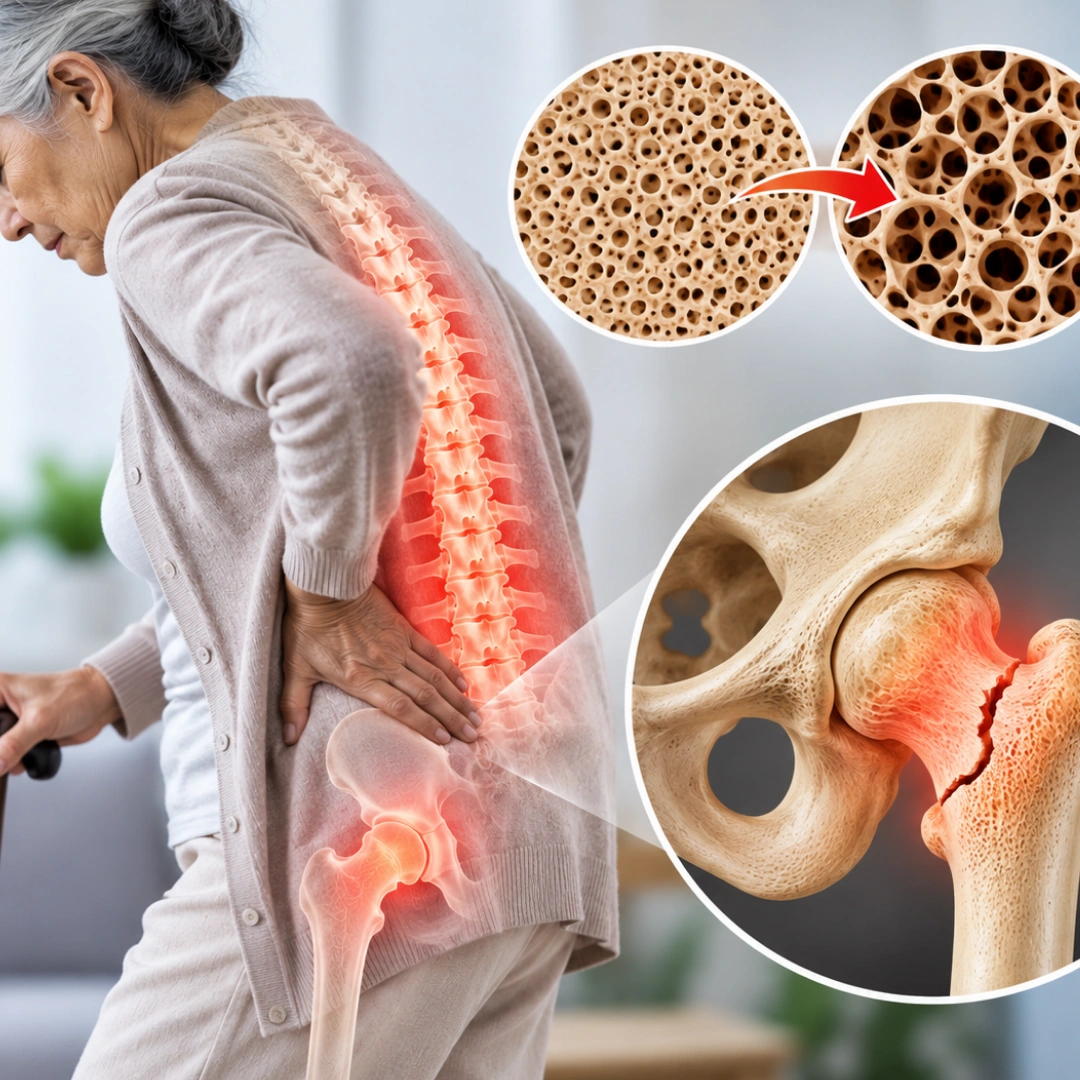
- A fracture caused by a trivial fall, such as a fall from a height which is not high enough to have fractured a normal bone.
- Unknown back pain which might be a very small compression fracture in your spine
- A progressive loss of height over the years.
- A stooped or hunched posture, especially in the upper back.
- Poor hand grip or feeling of weakness in wrists.
The challenge is that the first true indicator of fractures is often something is wrong. That's why doctors suggest bone density testing is done before symptoms appear after the age of 45 or 50.
A list of frequent Causes and Risk Factors
Bone is an organ of living tissue. It is continually turned over and remodeled in your body over your lifetime. However, when this rebuilding process slows down and the breakdown process takes over, osteoporosis occurs. But there are a few factors that will tip the scales:
- Age: Everyone gets lower bone density after the age of 50.
- Falling Estrogen Levels: Bone loss is accelerated in women as their estrogen levels drop.
- Family history: If one of your parents had osteoporosis or suffered a hip fracture, so do you.
- Low calcium and vitamin D: Having too little calcium and vitamin D in the diet leads to understocking bones after years.
- Inactivity: Bone requires weight-bearing activity to maintain strength, sitting all day – a bad thing!
- Smoking: directly disrupts bone formation, as do excessive amounts of alcohol.
- Long-term steroid use, such as from a condition like thyroid disease, rheumatoid arthritis, or diabetes can weaken bones over time without anyone knowing.
- Body frame: individuals with thinner or smaller body frames tend to have a lower peak bone mass.
Prevention of Osteoporosis
While there is no guarantee that you will not develop osteoporosis, especially with the influence of genetics, age, and other factors, you can slow the process of osteoporosis markedly:
- Eat sufficient amounts of calcium and vitamin D, dairy products, leafy greens, nuts, eggs and safe sun exposure, as directed by your doctor with supplements if necessary.
- Engage in walking, climbing stairs or some light weight training a few times a week.
- Stop smoking and reduce alcohol consumption, as both will gradually weaken your bones without your realising it.
- If older than the age of 50, post-menopause, or have a family history, get a bone density scan to beat the bone loss before it hits you.
- If you're an older adult, fall-proof your home because a fall is often the first sign of osteoporosis.
- Check the long-term use of a drug such as steroids with your doctor, as some of these drugs can impact bone density over time.
The most important aspect of good osteoporosis treatment in Pune is to have the necessary medical and nutritional support, an accurate diagnosis and habits that are actually followed.
About Dr. Rajeev Keloth Nambiar
By the time osteoporosis is diagnosed, the bone loss has usually been building for years, quietly, without any pain to give it away. At Dr. Nambiar's Advanced Ayurveda in Pune, Dr. Rajeev Keloth Nambiar (BAMS, MD) looks at this from an Ayurvedic lens: osteoporosis is largely a depletion of Asthi Dhatu, the body's bone tissue, driven by an aggravated Vata dosha that dries out and weakens bone over time.
Rather than only recommending calcium and vitamin D on paper, treatment here focuses on improving how well your body actually absorbs and uses these nutrients, alongside herbal formulations that support bone density and joint strength from within. Diet correction, Vata-balancing routines, and targeted therapies work together to slow further bone loss and, for many patients, reduce the aches and fragility that come with it.
With over 26 years of experience treating spine, joint, and bone-related conditions, Dr. Nambiar has worked with many patients who were told there was little to do beyond "managing" their osteoporosis.If you're looking for osteoporosis treatment in Pune that goes beyond just monitoring the condition, his approach treats it as something you can actively work against.
Frequently Asked Questions (FAQ's):
Yes, osteoporosis can be reversed naturally. Although it cannot be reversed entirely, it can be rebuilt and it can be prevented from progressing with the right diet, exercise and guidance from your doctor.
The exercises that are best are weight-bearing and resistance exercises, such as brisk walking, light strength training or yoga. Do not make quick, strong or twisting movements that can increase the risk of fracture.
No. It often occurs following the age of 50, but other factors such as poor diet, steroid use or hormonal changes can also trigger it.
Limit amounts of excess salt, caffeine, carbonated beverages, and alcohol, as these will over time disturb the body's ability to absorb calcium.
Yes. Although it is not as prevalent in men as it is in women, men over 60 years of age or men with low testosterone levels and/or steroid use are still at risk.
For those older than 50, post menopausal, fractured by a minor fall and/or with a family history of osteoporosis, it is worth having a DEXA scan.
Walking is good, but combining with a little resistance training and a calcium-heavy diet will provide your bones with much greater and longer-lasting protection.
Osteoporosis Treatment Images: