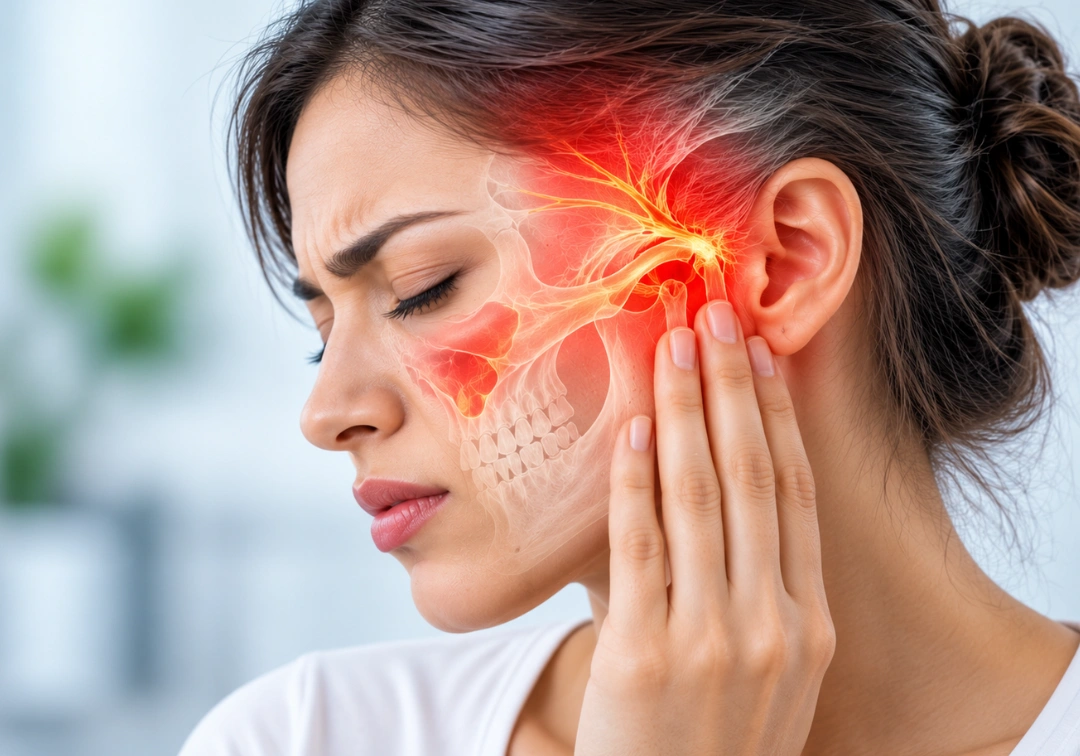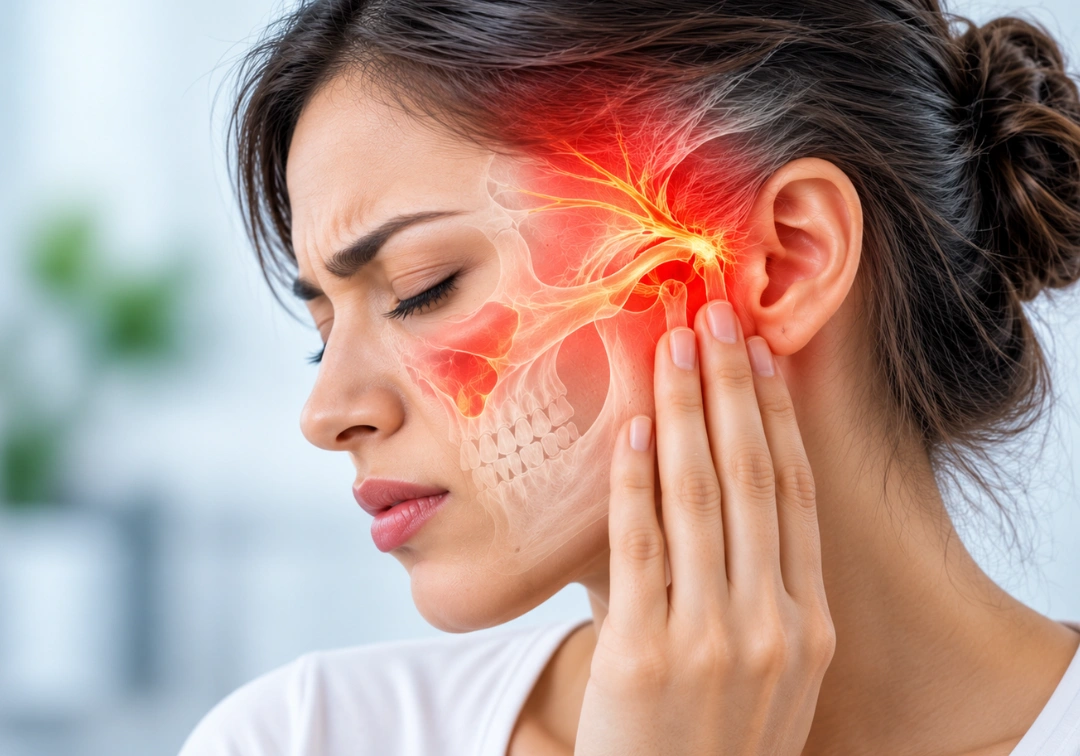
Craniofacial pain is a general term that refers to pain felt in any part of the face or head, including the forehead, cheeks, jaw, temples or around the eyes. Craniofacial pain is not simply caused by tension or fatigue, but can result from nerve, muscle, joint or blood vessel involvement in and around the skull and face.
May appear in varied ways in relation to the cause. Sometimes it is a sharp, shooting pain along a nerve (such as trigeminal neuralgia). At other times it can be a dull ache in the area of the jaw joint or a throbbing pain that radiates from the temple to behind the eye. So many structures, nerves, muscles, joints, sinuses can be a source of facial pain, and may be mistaken for "just a headache" or a dental problem for much longer than it should be.
The best first step to take when considering craniofacial pain treatment in Pune is to determine what is causing the pain – nerve, joint or muscular pain requires very different types of treatment to cure it effectively.
Symptoms of Craniofacial Pain
Craniofacial pain is not universal and each person's underlying cause is different. Common patterns include:
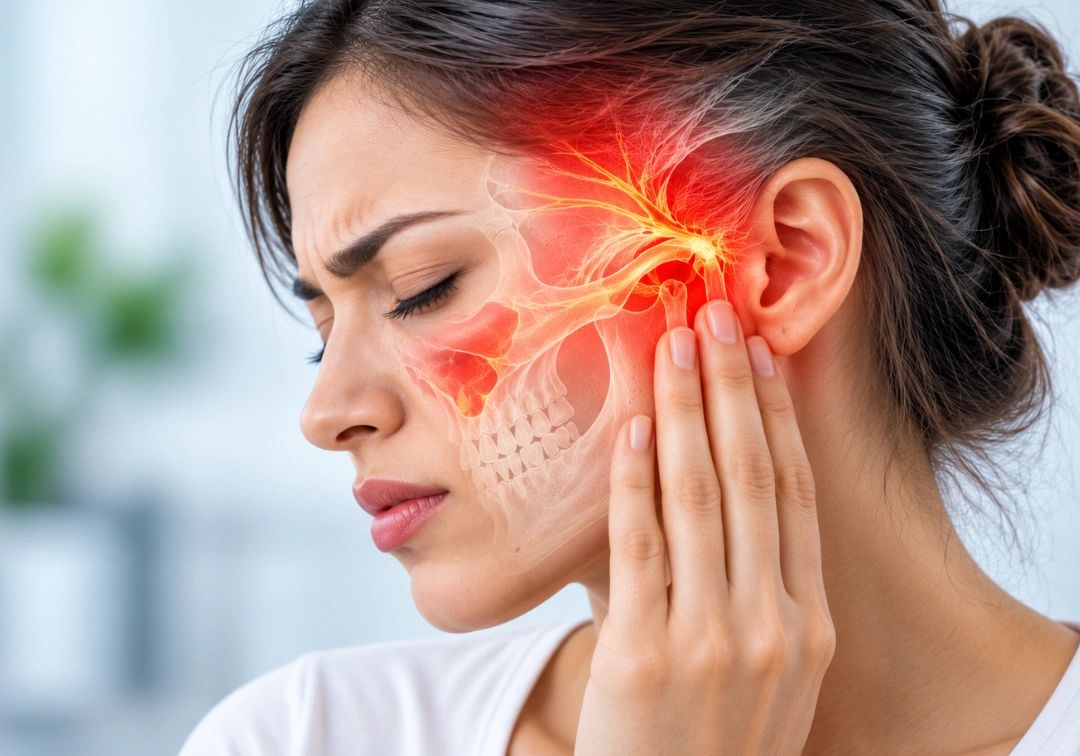
- A piercing or stabbing, sometimes nerve related pain in the face
- Persistent, low-grade pain in the area of around the jaw, temple or cheek bone, may be muscular or joint pain.
- When the pain increases with chewing, talking or jaw movement, pointing toward a jaw joint problem (TMJ).
- Eye or forehead pain that can be associated with sinus pressure or nerves
- Light touch, cold air or facial movement-induced pain
- One-sided headaches or headaches that affect only part of the head
- If the jaw joint is affected, clicking, stiff or limited motion in the jaw will occur when clicking.
These causes tend to overlap in many ways with regard to how they affect the body and are often difficult to distinguish from one another, which is why it is more important to accurately identify the pain's source than treat the pain in general.
Common causes and risk factors
Craniofacial pain is not a single condition, but a symptom of several different conditions. According to Ayurveda, all the types of pain in the face and head are associated with the aggravation of Vata dosha that disturbs the Prana Vayu (the energy of the head and face) or the muscles and joints of the face and head. Common causes and risk factors are:
- Damage or irritation to nerves, such as trigeminal neuralgia or other nerve disorders
- Dysfunction of jaw joints (TMJ) due to grinding, clenching and/or misaligned joints
- Sinus congestion or chronic sinusitis which can spread pain into the forehead and cheeks,
- Stress, posture or overuse of the jaw muscles can cause muscular tension.
- The following habits take the toll on Vata: excessive cold, high stress, irregular sleeping and diet.
- Dental problems such as infection or malalignment that may cause pain to refer up the face.
- In more complicated or chronic situations: due to underlying vascular or nerve disease
Prevention of Craniofacial Pain
There are several possible causes for craniofacial pain, so the prevention of the pain will rely slightly on your particular pattern, but there are some habits that will help generally:
- Control stress and jaw tension as this is a trend that is often overlooked and is both a common problem and a cause of pain.
- Shield the face from the cold gusts and temperature changes, which can stimulate nerve pain in the face.
- Don't allow congestion to build up and spread to facial pain, as sinus problems should be addressed early.
- Poor neck and shoulder posture can lead to facial and jaw pain, particularly if you work for long periods at a desk.
- Avoid irregular sleeping and eating habits, to prevent the imbalance in Vata dosha.
Persistent pain in your face should be treated as a face pain and not just a headache!
About Dr. Rajeev Keloth Nambiar
Dr. Rajeev Keloth Nambiar (BAMS, MD) treats craniofacial pain at Dr. Nambiar's Advanced Ayurveda, which is among the more misunderstood conditions he sees, as patients don't get any relief from the condition, whether for headache or for dental pain, as that is the diagnosis they are given at times. His treatment philosophy is to determine exactly what structure, nerve, joint, or muscle is actually causing the pain, for this will alter the treatment approach completely, and a plan will be tailored to address the specific source of pain.
Dr. Nambiar has treated nerve, spine, and joint-related conditions for more than 26 years with many patients whose facial pain has been incorrectly diagnosed and treated as dental or sinus-related for years, and who have finally found real, lasting relief after the source of their pain is discovered and treated.
Frequently Asked Questions (FAQ's):
While a regular headache is usually more diffuse tension or vascular pain, craniofacial pain is more likely to have a specific source (be it a nerve, joint or muscle) and will be more likely to be sharp or localized.
Yes. Trigeminal neuralgia is one specific, nerve-related cause of craniofacial pain, known for its sudden, shock-like pattern.
Yes. Jaw joint (TMJ) issues, often from clenching or grinding, are a common and frequently overlooked cause of ongoing facial pain.
Nerve related pain is more sharp, sudden, and can be induced by light touch, whereas muscular pain is more dull and constant, and increases when the jaw moves and/or during stress. When you have a proper evaluation, you'll know for sure.
Yes. Persistent sinus blockage may cause pain to spread into the forehead, cheek and around the eyes, and may be mistaken for other facial pain.
Yes, particularly when a proper diagnosis is made of the cause. However, the specific Vata imbalance and affected structure given a treatment, not the pain itself, produces more lasting results.
Craniofacial Pain Treatment Images: