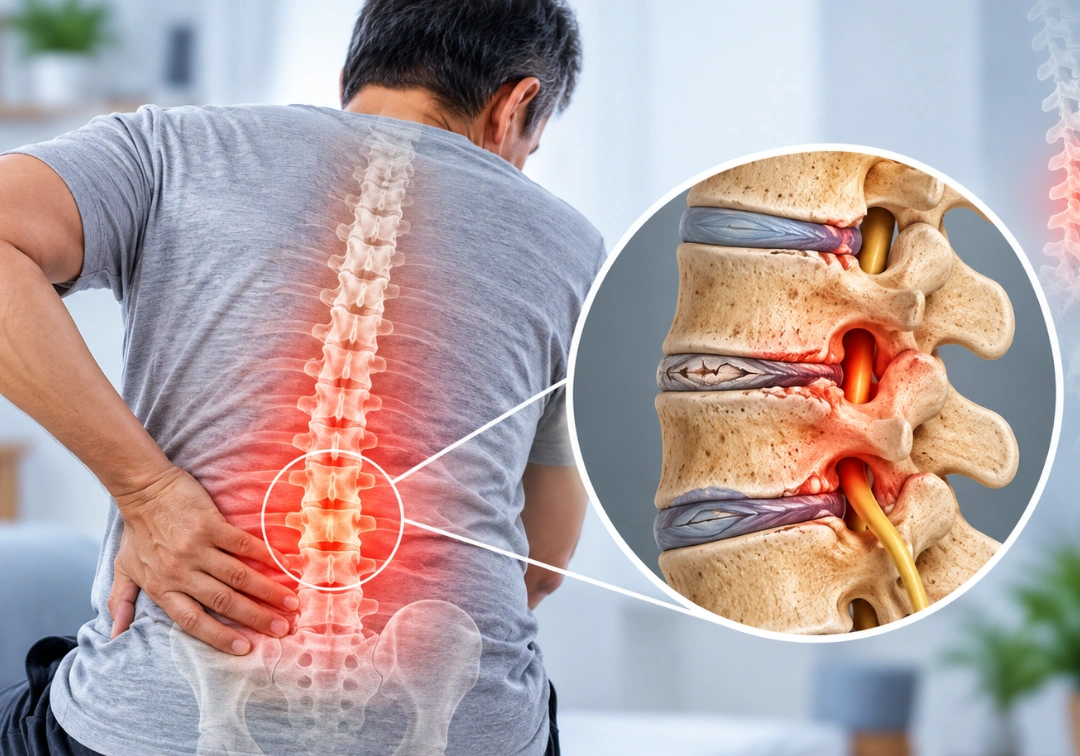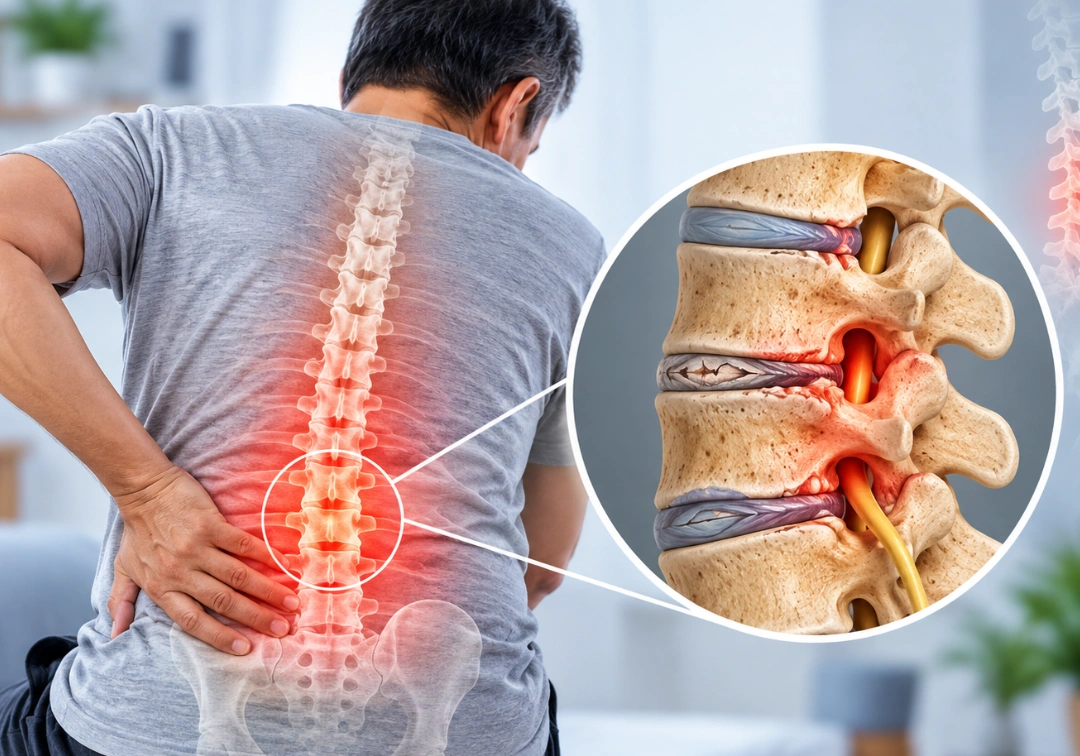
Lumbar spine symptoms can be more disturbing than symptoms in the neck, due to the amount of weight and motion that the spine in the lumbar area supports. An aching back can escalate into radiating down the leg, or back stiffness which can make getting up some mornings very hard. After a while, it often gets complicated and may be accompanied by, or contribute to, disc bulges and nerve compression, so even after a while it isn't just “back pain.”
The true objective of lumbar spondylosis treatment in Pune is to treat the degeneration, not just the pain so that it goes away for the day. To get a long-lasting benefit from the treatment for lumbar spondylosis in Ayurveda treatment in Pune, it is important to strengthen the supports of the spine.
Symptoms of Lumbar Spondylosis
Lumbar spondylosis develops slowly and the symptoms are often attributed to an "ordinary backache" for too long:
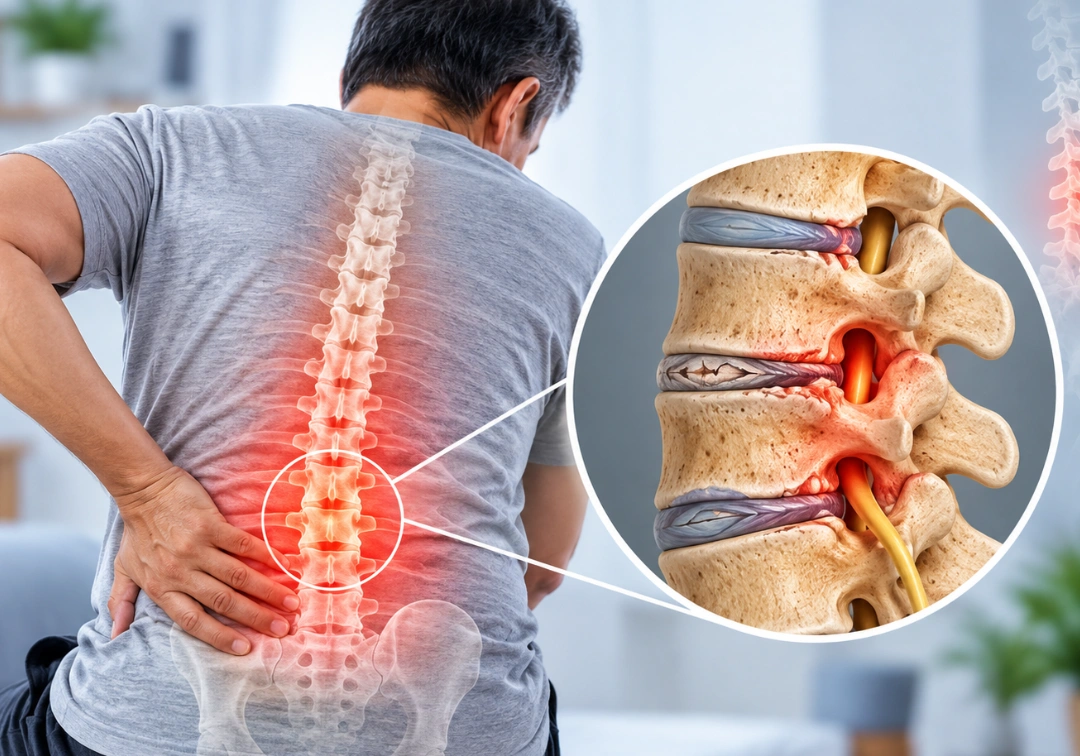
- Persistent dull, not sharp pain in the lower back, lasting more than a week.
- Stiffness in the morning, particularly with movement on getting up
- Less flexibility in the back, inability to bend forward or twist, inability to stand up straight after sitting up.
- Leg pain or a 'burning' or 'shooting' down one or both legs.
- Numbness or tingling in the legs or feet if there is an involvement of a nerve root.
- Symptoms are worse with long bouts of standing or sitting, and may improve slightly when walking around
- Avoiding movements/positions that exacerbate pain, which is limited in daily activity
Once back pain begins to radiate down the leg, or if numbness is present as well as pain, it's a good sign that there is nerve pain, and it's best to be properly assessed instead of waiting it out.
Common Causes and Risk Factors
According to Ayurveda, this is considered as the depletion of Asthi and Majja Dhatu (bones and nerves) in the lower back area due to Vata imbalance that's heightened by lifestyle and mechanical forces. Factors and common reasons may be:
- In most cases, the cause is age-related degeneration of the disks and joints.
- Some people are just more susceptible to faster disc degeneration, so to speak.
- The core and back muscles are not strong, and are not supporting the lumbar spine as they should, due to a sedentary lifestyle.
- Extra weight on the spine puts constant pressure on the lower back, causing obesity to be a direct and ongoing stress on the lower spine.
- Old lower back injury or accident.
- Sit for extended periods of time without proper back support.
- Strenuous activities or repetitive stress such as from some occupations or manual activity.
Prevention of Lumbar Spondylosis
While you can't prevent the natural ageing of your spine, you do have some control on how the lumbar spondylosis affects your everyday life:
- Keep a healthy body weight as more load on the lumbar spine equals more excess weight.
- Strengthen your core and back muscles, through regular, appropriate exercise
- Sitting posture – sit up straight, use back supports and do not lounge/lean for long periods.
- Bend the knees, NOT the back when lifting, particularly with heavier objects!
- Routine, moderate, exercise keeps the supports of the spine strong and flexible,
- Early stiffness or mild backache should not be neglected as it would make lumbar spondylosis ayurvedic treatment in Pune more effective.
Seek immediate medical attention for leg pain or numbness - don't wait to see if it gets better.
About Dr. Rajeev Keloth Nambiar
Prior to requesting treatment for lumbar spondylosis in Pune, most of the patients must have been suffering from a dull backache for months, if not years. At Dr. Nambiar's Advanced Ayurveda, Dr. Rajeev Keloth Nambiar (BAMS, MD) considers lumbar spondylosis not just as a symptom of the disease that needs to be managed with painkillers for the rest of one's life, but a depletion of the Asthi and Majja Dhatu that has occurred in the lower spine due to the onset of Vata.
Treatment lasts a series of prescription treatments and/or formulations, usually 14 to 28 days in duration depending on the degree of degeneration, and is designed to nourish the lumbar discs, strengthen the muscles and ligaments surrounding it, decrease inflammation around any compressed nerve root and restore mobility to the lower back. Lifestyle change, posture, movement habits and weight management also have a very important role in addition to the therapy, as the load of the lumbar spine is very high, placing them under daily stress.
With over 26 years of experience treating spine and nerve-related conditions, Dr. Nambiar has worked with many patients whose leg pain and stiffness had persisted for years despite conventional treatment, helping them regain mobility and cut down significantly on long-term painkiller use.
Frequently Asked Questions (FAQ's):
While the age-related degeneration cannot be corrected, pain, stiffness and nerve-related symptoms can be very well managed and often patients can return to normal daily activity.
Lumbar spondylosis is the more general and broad wear and tear of the lower spine's vertebrae and discs. One of the specific problems that may arise from this constant degeneration is a herniated or "slipped" disc.
Lumbar spondylosis can cause leg pain because it is a condition of the spine. If degeneration causes a bulging disc or a bone spur to compress a nearby nerve root, then the pain may spread down the back of the leg, sometimes with numbness or tingling.
Yes. Instead, many patients experience rapid and successful results treating pain and improving mobility by nourishing the spine's tissue and addressing the underlying Vata imbalance that is causing the pain, rather than simply treating the pain itself.
Treatment is 14 to 28 days long, and most people see a decrease in stiffness and an improvement in mobility within this period, although the exact time varies depending on the severity of the condition.
Yes. Adding extra body weight increases constant stress on the lumbar spine and can accelerate its deterioration and exacerbate symptoms, making weight management a very beneficial component of prevention and recovery.
Lumbar Spondylosis Treatment Images: