

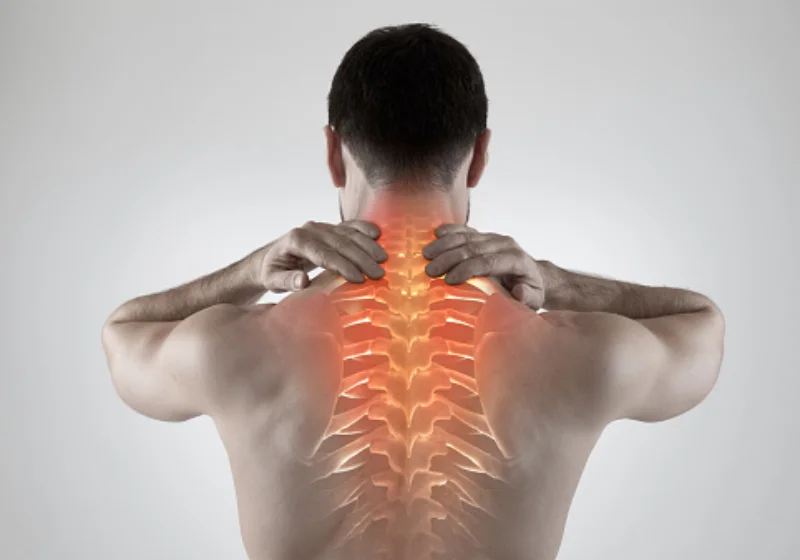
Cervical spondylosis is a condition resulting from the ageing of the discs and vertebrae in the neck. The spine consists of vertebrae with discs between them that function as shock absorbers and over time these discs tend to lose hydration and thickness. Cervical spondylosis is a condition of the neck where this occurs and is very common. Nearly 90% of people exhibit at least some evidence of it by age, despite possibly not experiencing any symptoms which would bother them.
The problem begins when the wear and tear begins to press on the nerves that lie nearby or on the spinal cord itself, caused by a bulging disc, bone spurs, or stiffened ligaments that impede the movement of the neck. When the stiffness becomes painful, that's when the pain may become tingling or weakness down the arm.
When searching for a cervical spondylosis treatment in Pune, the aim is not to relieve pain in the neck for a limited period. It's about building the scaffolding around the spine so that it can maintain its strength and the degeneration process is not accelerated or likely to get out of control in weeks but years.
Symptoms of Cervical Spondylosis
Cervical spondylosis may be an occasional sensation of stiffness or it may be severe enough to impede daily functioning. Common signs include:
- Stiffness and pain in the neck, typically worse in the morning or on holding the same position for too long
- Limited range of motion of the neck that makes it more difficult to rotate the head completely in each direction
- Neck pain that feels like a grinding, or popping, sensation as you move it
- A headache that comes from the back of the head, which can be a symptom of many problems and may be overlooked.
- If a nerve root becomes compressed, it may cause tingling, numbness or weakness in the arms or hands.
- Spasms in the neck and shoulders muscles.
- Advanced cases with spinal cord involvement, balance disturbances or lack of coordination.
If pain, tingling and/or weakness begin to run down your arm, that indicates a nerve is involved, and that's the time to get assessed instead of stretching it out and hoping it will heal.
Common Causes and Risk factors are Discussed
Cervical spondylosis is a progressive disorder, which is mostly a natural consequence of ageing but a number of factors definitely accelerate the process. According to Ayurveda, this is mainly due to the depletion of Asthi and Majja Dhatu (bone and nerve tissue) in the cervical region caused by the Vata Dosha in combination with poor posture and lifestyle. Some of the key causes and risk factors are:
- The thinning out of discs between the vertebrae over time, known as disc degeneration
- Bone spurs (osteophytes) that are small bumps of bone that develop when the spine attempts to stabilize itself and compresses the nerves.
- Loss of ligament elasticity (neck mobility is decreased due to stiffening of the ligaments between the vertebrae)
- The cervical spine is a lot strained when the neck is held forward or in a weird posture for hours a day due to poor posture and excessive screen time.
- History of previous neck injury from accident, fall or sudden jerk
- Heavy lifting, repetitive neck motion, and excessive vibration while working.
- Some people display earlier signs of spinal deterioration, even if they don't have any other risk factors.
- Sedentary living, that compromises the muscles that support the neck and spine
Prevention of Cervical Spondylosis
While much of cervical spondylosis is an age-related disorder, its progression and impact on a person are nearly under his or her control:
- Sit up straight, particularly if you work for long periods at a desk or look down at your cell phone
- Move around, do not maintain a fixed position of the neck for too long.
- Strengthen your neck and shoulder muscles, through gentle, regular exercise
- Make sure you have your work station properly set up, proper screen height, good seating, makes a difference over months and years.
- Refrain from making quick and jerky movements with the neck, particularly when lifting or exercising.
- Early stiffness should not be ignored; it is much easier to deal with it if it occurs early.
If the tingling or weakness is due to the nerves, seek appropriate treatment, do not dismiss this as “just stiffness”.
About Dr. Rajeev Keloth Nambiar
Patients who have been asking for treatment of cervical spondylosis in Pune have already tried some painkillers, heat packs or a couple of physiotherapy sessions and the stiffness has come back again within a few weeks. Dr. Rajeev Keloth Nambiar (BAMS, MD) of Dr. Nambiar's Advanced Ayurveda treats cervical spondylosis as a condition where there is depletion of Asthi (bone) and Majja (marrow) due to aggravated Vata in the cervical region and not as mere mechanical stiffness to be stretched.
Treatment usually lasts 14 - 28 days in a structured manner that is dependent on the extent of the degeneration. The Ayurvedic therapies or formulations are used to nourish the affected discs, strengthen the ligaments and muscles around the discs, diminish inflammation around the compressed nerve roots and slowly restore freedom of neck motion. The goal is not to simply alter the symptoms but to stabilize the vertebral column in a stable way that will result in lasting improvement.
Dr. Nambiar has extensive experience in the treatment of spine and nerve conditions and has helped numerous patients improve the mobility in their arms and necks and decrease their reliance on pain medications by providing them with a well-structured, sustained care treatment.
Frequently Asked Questions (FAQ's):
The underlying wear and tear is not fully reversible, but the symptoms, pain, stiffness and nerve compression can be controlled extremely well and often patients feel close to normal.
Affects people more commonly after the age of 40, though poor posture, and too much screen time, are leading to its increasing presence in younger age groups.
Not quite. Cervical spondylosis is broader, general wear and tear of the neck's vertebrae and discs, while a slipped or herniated disc is one specific complication that can occur as part of it.
Yes. When tingling comes from nerve root compression, Ayurvedic treatment focused on reducing inflammation and nourishing the affected tissues often brings noticeable relief.
Most treatment courses run 14 to 28 days, with many patients noticing improved mobility and reduced pain well within that window, though the exact timeline depends on how advanced the condition is.
Yes, largely. Better posture, regular movement, and strengthening the neck muscles go a long way in slowing progression, even though the underlying age-related wear can't be stopped entirely.